

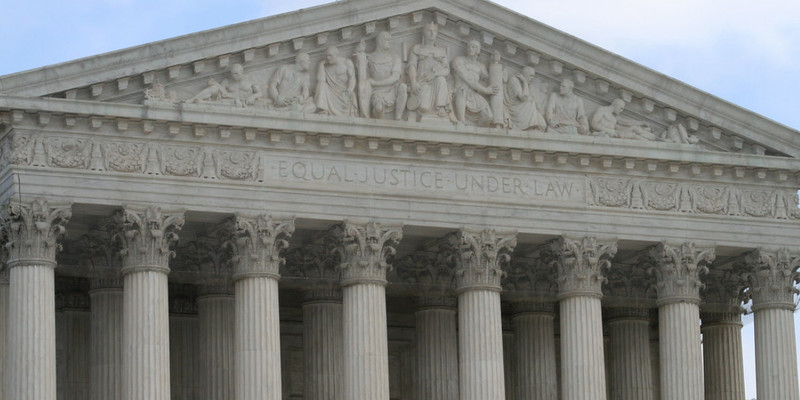
The Supreme Court is stepping into one of the biggest tech-and-music battles in years: a billion-dollar case that could decide whether internet providers are on the hook when their users pirate music.
At the center of the storm is Cox Communications, a massive internet provider serving more than six million homes and businesses. A coalition of major music labels — representing artists from Sabrina Carpenter to Givēon — says Cox looked the other way while repeat offenders used its network to steal music. They argue Cox wasn’t just negligent, but openly dismissive of the law, pointing to internal emails where a manager overseeing DMCA compliance told employees to “F the DMCA.”
According to the labels, Cox had a so-called 13-strike policy for chronic abusers yet rarely pulled the plug, even after receiving piles of notices tied to specific IP addresses. A federal jury and the Fourth Circuit already sided with the music industry, slapping Cox with more than a billion dollars in damages. Now Cox is asking the Supreme Court to undo it.
Cox claims the labels are trying to punish them for the behavior of less than 1% of users — and that their policies already stopped 95% of repeat infringement. The company insists it doesn’t profit from piracy, bans illegal activity in its terms of service, and never encouraged anyone to download songs illegally.
And Cox warns that if the Supreme Court upholds the verdict, the fallout could be massive: entire households, coffee shops, college dorms, hospitals — even small regional ISPs — could lose service based on allegations tied to a single connection.
The ruling will determine not only Cox’s fate, but how far internet providers must go to police the digital world — and whether the music industry’s long war against piracy gets its biggest victory yet.
