

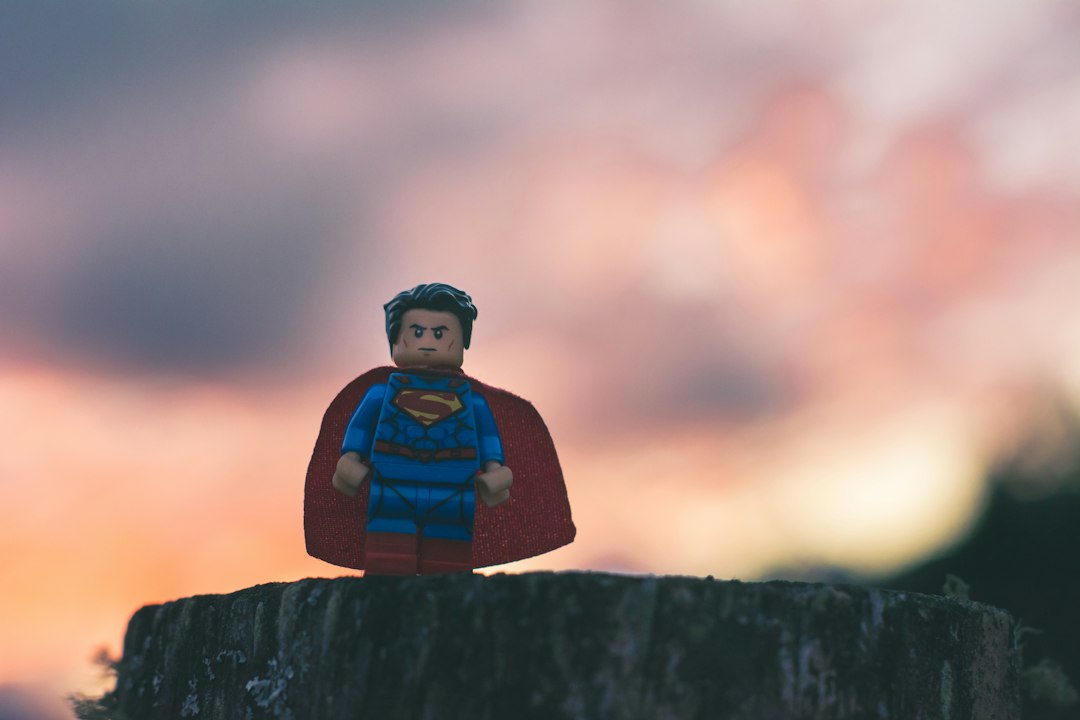
The best superheroes used to look up. Now they just look tired.
Hollywood spent fifteen years building a religion around superheroes and the last five years holding a funeral for it. The capes are still there, but the conviction is gone. Your favorite heroes are now sarcastic, broken, and a little embarrassed about the whole saving the world business. They’ve been deconstructed, psychoanalyzed, and lectured until there’s nothing left to believe in. And audiences, in turn, have stopped believing in the box office.
This isn’t just a feeling. It’s a trend written in bright red ink. Look at the recent numbers. Disney’s “The Marvels” had the lowest box office debut in the history of the Marvel Cinematic Universe, pulling in a domestic total of just over $84 million. For a brand that once printed money, it was a disaster. Over at DC, “The Flash” was meant to reset an entire universe. Instead, it fizzled out with a worldwide gross of $270 million against a massive budget and marketing spend. The list goes on. The common thread isn’t just “superhero fatigue.” It’s a story crisis. It’s a values shortage.
The films that built these empires were built on a simple, powerful idea: a hero who chose to do the right thing, no matter the cost. Think of Chris Evans as Captain America. He wasn’t a perfect man, but he was a good man. His power came from his unshakable moral compass. When he told a corrupt government agency, “I’m not gonna fight you,” while they beat him half to death, you believed him. That was heroism. When Tobey Maguire’s Spider-Man wrestled with his great responsibility, it was the struggle of a young man trying to live up to a moral code. These heroes were defined by what they stood for.
Today’s heroes are defined by what they’re against, which is usually themselves. They’re weighed down by trauma, smothered by sarcasm, and convinced that the ideals they once represented are naive. Hollywood traded capes for therapy couches, and nobody's buying a ticket to watch a superhero talk about their feelings for two hours. We don’t need heroes to be just like us. We need them to be what we aspire to be on our best day. We need them to show us what courage, sacrifice, and integrity look like when the world is on fire.
The architects of these modern myths seem to have forgotten that. They’ve mistaken complexity for cynicism. They think a hero who questions everything is more interesting than one who believes in something. They’re wrong. A character with no moral center has no stakes. If right and wrong are just shades of gray, then nothing they do really matters. Why should an audience care about a fight if neither side is worth rooting for? A hero who stands for nothing will eventually fall for anything, and the audience will just shrug.
This cultural exhaustion with cheap irony isn’t limited to movies. It’s a spiritual hunger for truth. We live in a world that tells us there are no heroes, that absolute truths are a myth, and that faith is a weakness. The Bible has a different take. It’s a book full of flawed people called to a heroic purpose by a perfect God. It tells us to be strong and courageous, to stand firm in our faith. It says, “Let your light shine before others, that they may see your good deeds and glorify your Father in heaven” (Matthew 5:16). That’s a call to heroism, not a call to deconstruction.
The good news is that the audience never left. They’re just waiting for an invitation to come back. They are starved for stories about heroes who are not ashamed of the good, who fight for something more than their own validation. The next billion-dollar franchise won’t come from another gloomy anti-hero or a sarcastic team of misfits. It will come from a creator who is brave enough to write a character who believes in truth, protects the weak, and is willing to lay down their life for a cause greater than themselves. That isn’t a step backward. It’s the only way forward. It’s time for heroes to believe in something again. We’re all waiting to believe with them.
