

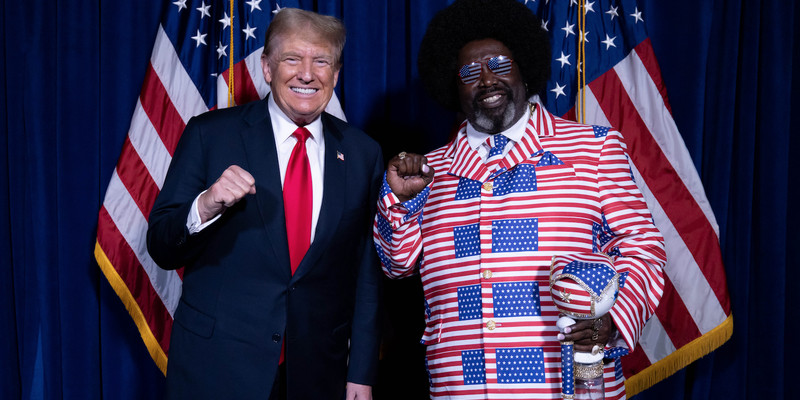
Rapper Afroman just pulled off one of the most unexpected—and entertaining—legal victories in recent memory, beating a defamation lawsuit brought by multiple officers after they raided his home and ended up becoming the punchline of his music.
After a three-day trial in Ohio, a jury found Afroman—real name Joseph Foreman—not liable, delivering a massive win not just for the rapper, but for free speech itself.
If you missed the chaos leading up to this, here’s what happened.
Back in 2022, deputies from the Adams County Sheriff's Department raided Afroman’s house over accusations of kidnapping and drug trafficking. They found nothing. No victims. No charges. Nothing.
But the story didn’t end there.
Afroman claimed officers caused tens of thousands in damage, messed with his security setup, and even failed to return all the cash they seized. Instead of staying quiet, he did what he does best—he turned it into content.
Using his own security footage, Afroman dropped a series of viral music videos clowning the raid, including tracks like “Lemon Pound Cake,” where he mocked the officers for tearing through his home only to come up empty-handed.
That’s when things escalated.
Several officers sued him, claiming the videos humiliated them, damaged their reputations, and caused emotional distress. But in a twist that felt straight out of one of Afroman’s songs, the trial itself became a viral spectacle—complete with officers being forced to read lyrics about themselves in court and explain how being called names in a rap song traumatized them.
One officer even testified that he got nicknamed “Deputy Lemon Pound Cake.”
Afroman, rocking his signature style, took the stand and didn’t back down:
“If they never would have showed up, there would be no songs.”
After hours of deliberation, the jury sided with the rapper—and Afroman made it clear what the verdict really meant:
“America still has freedom of speech… America won.”
The case is a reminder that public officials aren’t above criticism—or even ridicule—especially when their own actions spark the backlash. And in trying to silence Afroman, the lawsuit may have done the exact opposite—sending his music, his message, and the entire story to millions more people.
Call it a legal win. Call it a cultural moment. Either way, this one backfired in a big way.
